
 See Our Latest Article on HelloNation

Why should a small ache get your attention?
A minor ache is not always a serious problem, but it is useful information. Pain can signal muscle strain, joint irritation, nerve sensitivity, overuse, poor recovery, or an injury that has not fully healed. Ignoring the pattern may allow a manageable issue to become persistent or begin affecting movement.
For residents of Putnam Valley, NY, everyday routines can place repeated demands on the body. Yardwork, home maintenance, commuting, recreational activity, prolonged sitting, and seasonal tasks such as shoveling or clearing wet leaves can all contribute to seemingly minor discomfort.
Pain is personal, and the same symptom can have different causes. The National Institute of Neurological Disorders and Stroke describes pain as a protective signal, although pain can sometimes continue after the original tissue problem has improved. Pain lasting longer than three months is generally considered chronic. ([ninds.nih.gov](https://www.ninds.nih.gov/health-information/disorders/pain?utm_source=openai))
When is an ache probably temporary?
A mild ache is more likely to be temporary when it follows an identifiable activity, improves gradually, and does not interfere significantly with strength, balance, sleep, or normal movement.
Examples may include:
- Muscle soreness after an unfamiliar workout
- Mild stiffness after sitting for a long period
- Temporary back discomfort after lifting or bending
- Joint soreness after increased walking, gardening, or recreational activity
- Neck or shoulder tension after extended computer or phone use
Temporary discomfort should still be monitored. A useful question is whether the body is improving over several days or whether the same movement keeps provoking symptoms.
For exercise-related discomfort, reducing intensity, shortening sessions, changing to a lower-impact activity, and allowing adequate recovery may help. Sharp, constant pain, limping, pain that lasts well after exercise, or swelling that does not settle with rest deserves medical attention. ([archive.cdc.gov](https://archive.cdc.gov/www_cdc_gov/arthritis/basics/physical-activity/pain.html?utm_source=openai))
How can a small problem become a larger one?
Pain often changes how a person moves. Someone with a sore hip may shift weight to the other side. Someone with neck pain may turn the entire torso instead of moving the head. Someone with low back discomfort may brace constantly or avoid bending.
These adjustments can reduce discomfort for a short time, but they may also place extra stress on nearby muscles and joints. Over time, the original ache may be accompanied by stiffness, reduced mobility, weakness, or discomfort in another area.
This does not mean every ache will worsen. Many mild musculoskeletal problems resolve naturally. The concern is a pattern that is ignored despite continuing, recurring, or progressively limiting activity.
Repeated episodes may suggest an unresolved contributor such as:
- Poor lifting or reaching mechanics
- Sudden increases in activity
- Weakness or limited mobility
- Inadequate recovery between demanding tasks
- An unsuitable workstation or driving position
- A previous injury that never fully regained normal function
Which symptoms should not be dismissed?
Some symptoms call for prompt medical evaluation rather than self-care alone. With back pain, warning signs include pain after a serious fall or blow, unexplained fever, severe pain that prevents a comfortable position, unexplained weight loss, a history of cancer, or pain that is distinctly worse at night. Numbness or weakness in the leg, difficulty walking, and pain traveling below the knee also warrant attention. ([medlineplus.gov](https://www.medlineplus.gov/ency/article/007425.htm?utm_source=openai))
Seek urgent or emergency care for back pain accompanied by:
- Loss of bladder or bowel control
- New difficulty urinating
- Numbness around the groin or buttocks
- Significant weakness or numbness in both legs
- Rapidly worsening symptoms
These signs can indicate nerve or spinal problems that should not be managed by waiting to see whether the pain disappears. ([nhs.uk](https://www.nhs.uk/conditions/back-pain/?utm_source=openai))
Other body areas have their own warning signs. A hot, red, markedly swollen joint, chest discomfort, shortness of breath, sudden severe headache, or pain following a major injury should be assessed promptly.
What information helps explain an ache?
Before seeking advice, note what the pain feels like and how it behaves. A simple record can make evaluation more useful.
Consider:
- When the discomfort began
- Whether it followed lifting, exercise, a fall, illness, or a change in routine
- Whether it is aching, sharp, burning, tingling, or electric
- What makes it better or worse
- Whether it travels into an arm or leg
- Whether there is weakness, numbness, swelling, fever, or loss of balance
- Whether it affects sleep, walking, work, or household tasks
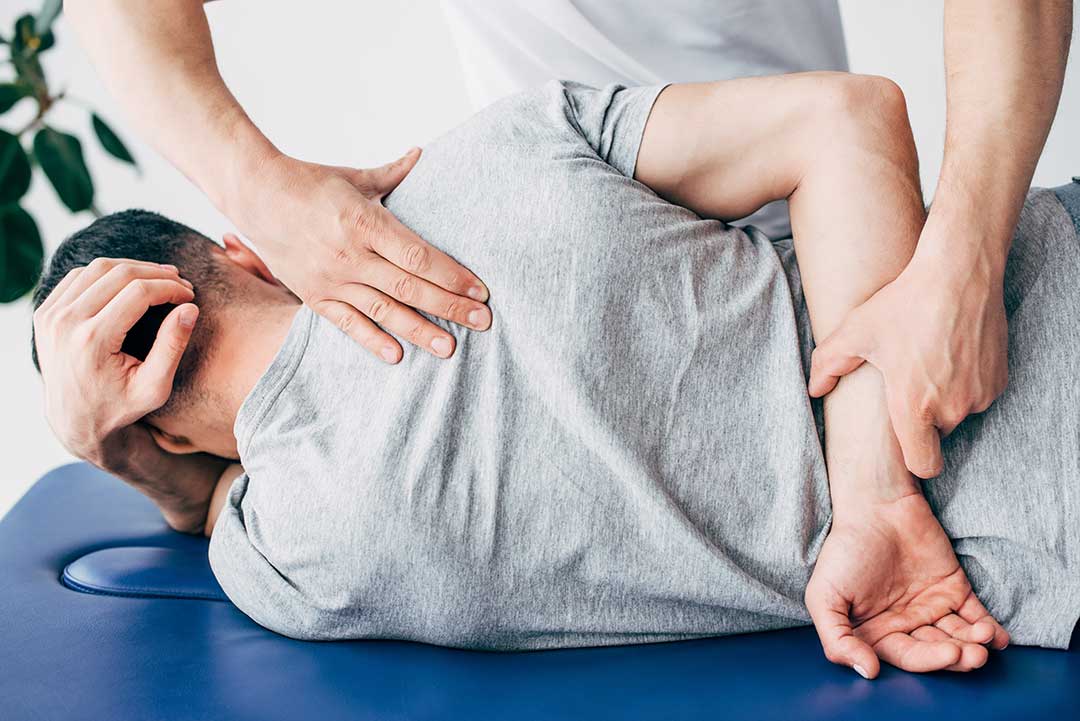
Location alone does not always identify the source. For example, pain in the shoulder region may relate to the shoulder, neck, upper back, nerves, or a combination of factors. A careful history and physical examination are often more informative than trying to diagnose the problem from a symptom label.
What can residents do during the first few days?
For a mild, recent ache without warning signs, sensible early steps usually involve reducing aggravating activity without becoming completely inactive.
Helpful approaches may include:
- Take short movement breaks instead of remaining in bed or one seated position.
- Temporarily reduce heavy lifting, repeated bending, or high-impact exercise.
- Use comfortable, gentle movement within a tolerable range.
- Apply heat or cold based on which feels more helpful.
- Return to normal activity gradually rather than testing the painful movement repeatedly.
- Review sleep position, footwear, work setup, and the mechanics of recent tasks.
Extended bed rest is generally not helpful for uncomplicated back pain and may make recovery harder. MedlinePlus notes that many acute back problems improve within days to several weeks, but symptoms that are severe, worsening, or persistent should be evaluated. ([medlineplus.gov](https://www.medlineplus.gov/ency/article/007425.htm?utm_source=openai))
Medication may help some people, but over-the-counter pain relievers are not appropriate for everyone. Kidney disease, ulcers, blood-thinning medication, pregnancy, liver disease, allergies, and other health conditions can change what is safe. A pharmacist or medical clinician can help review those risks.
Where does chiropractic care fit?
Chiropractic evaluation may be considered for some muscle, joint, or movement-related complaints, particularly when symptoms are affecting mobility or recurring. A responsible assessment should include questions about the symptom pattern, relevant health history, neurological signs, and whether another type of medical evaluation is needed.
Chiropractic care is not appropriate for every cause of pain, and no single approach can diagnose or treat all aches. Red-flag symptoms, significant trauma, suspected fracture, infection, progressive neurological changes, or unexplained systemic symptoms require medical assessment. Coordination with a primary care clinician or other qualified health professional may be necessary.
The practical goal is not simply to make an ache feel quieter for a few hours. It is to understand what may be contributing to it, identify safe activity levels, and recognize when the symptom falls outside the range of a routine musculoskeletal complaint.
How can minor aches be prevented from returning?
Prevention usually depends on gradual habits rather than avoiding movement. Regular physical activity can support strength, mobility, balance, and general health. The CDC recommends that adults include aerobic activity and muscle-strengthening activity, while older adults should also include balance-focused movement. Short sessions can be useful, especially when starting or returning after a period of inactivity. ([cdc.gov](https://www.cdc.gov/arthritis/prevention/index.html?utm_source=openai))
For households managing seasonal work or outdoor tasks, pacing is particularly practical:
- Break demanding jobs into shorter periods.
- Alternate repetitive tasks.
- Lift with the load close to the body.
- Avoid twisting while carrying.
- Warm up before unfamiliar activity.
- Increase exercise volume gradually.
- Stop and reassess if pain changes from mild soreness to sharp, radiating, or function-limiting discomfort.
A minor ache does not automatically mean something is seriously wrong. It does mean the body is providing information. Paying attention to timing, triggers, progression, and associated symptoms can help distinguish normal recovery from a problem that deserves further evaluation.
