
 See Our Latest Article on HelloNation

How Does Core Strength Affect Spinal Health?
Strong core muscles form the foundation for good spinal health by supporting proper posture and reducing stress on the back. The core is more than just abdominal muscles—it includes the muscles around the trunk, pelvis, and lower back. These muscles stabilize the spine during everyday activities, from walking and lifting to shoveling snow or gardening, which are common in Putnam Valley households.
When core muscles are weak or unbalanced, the spine and surrounding structures can be forced to compensate. This compensation often leads to poor posture, increased fatigue, and a greater risk of back pain or injury. Reinforcing the core can help the body absorb and distribute forces safely, shielding the spine from everyday wear and tear.
Why Are Core Muscles Especially Important for Residents of Putnam Valley?
For those living in Putnam Valley, core strength has unique importance due to the area's hilly landscape, seasonal chores, and cold winters. Local life often involves:
- Navigating uneven terrain during hikes or outdoor recreation
- Raking leaves, stacking firewood, and other manual labor at home
- Shoveling snow or walking on icy driveways
Each of these activities requires stable movement and balance. A strong core helps local residents maintain stability on slippery or rugged surfaces, protects the back when lifting or twisting, and reduces injury risk during daily chores.
What Are Common Signs of Poor Core Strength Impacting Spinal Well-Being?
Residents might notice the effects of poor core stability before realizing the root cause. Some overlooked signs include:
- Persistent lower back pain or stiffness, especially after household or outdoor tasks
- Difficulty standing or sitting upright for long periods
- Frequent muscle fatigue or cramping in the lower back or abdomen
- Worsening aches after shoveling snow, raking, or yard work
These concerns aren’t always caused by old injuries—often, it’s a subtle weakness in the muscles supporting the spine. Building core strength helps address these issues and makes regular tasks less strenuous over time.
How Can Everyday Habits in Putnam Valley Support Core and Spine Health?
Maintaining core strength does not require a gym—small, consistent changes in local routines can help. For many households:
- Engage the core while performing household chores. For example, steady your midsection before picking up grocery bags, firewood, or children.
- Take regular standing or stretching breaks if working from home or spending extended periods sitting.
- Use proper lifting techniques for yard work or snow removal: bend at the knees and keep objects close to the body, activating the core.
- Incorporate brief core exercises into daily life, such as planks or gentle seated twists, even when watching TV or enjoying downtime.
Winter months in the city may mean less time spent outdoors, so indoor stretching or low-impact exercises can benefit both core function and spinal health.
Which Simple Core Exercises Are Appropriate for Most Local Residents?
Many core strengthening movements are safe and effective at home with little or no equipment. Always move within your comfort range and stop if pain occurs. Some practical examples:
- Pelvic Tilts: Lying on your back with knees bent, gently flatten your lower back against the floor, tightening your abdominal muscles. Hold for a few seconds and release.
- Bridges: While on your back with knees bent, lift your hips until your knees, hips, and shoulders form a straight line. Engage the glutes and lower back without overarching.
- Bird Dog: On hands and knees, extend one arm and the opposite leg, keeping the back flat. Return to center and switch sides.
- Seated Marches: While sitting upright, lift one knee towards your chest, alternating sides. This can activate the lower abdominals without strain.
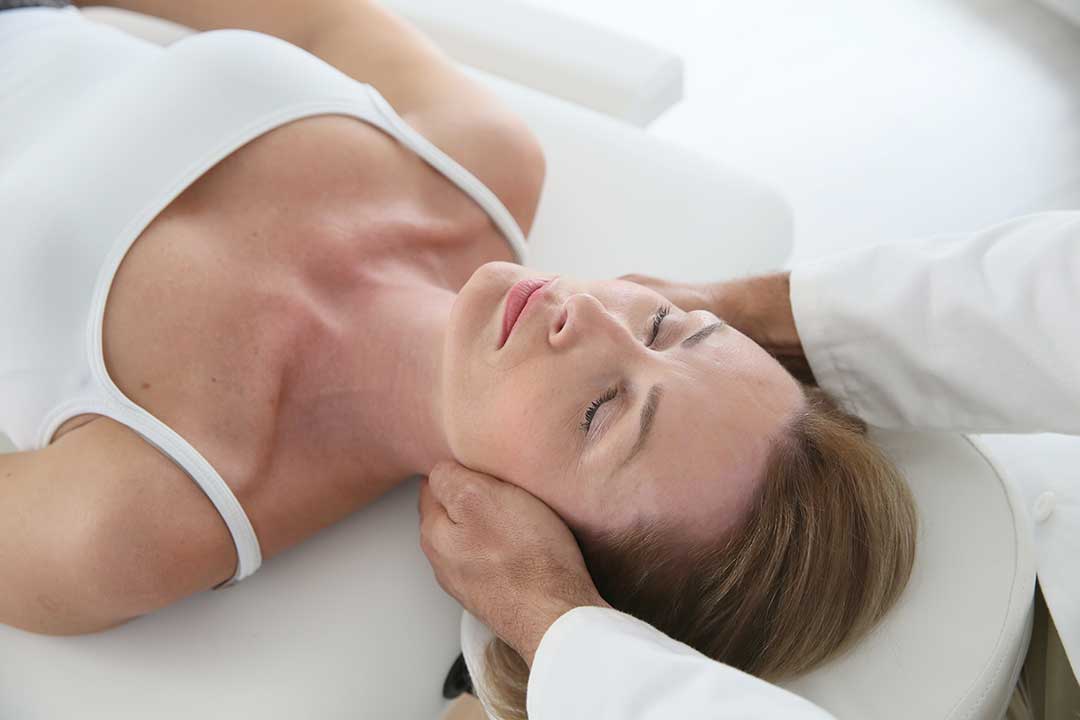
Residents should avoid holding their breath and start with shorter holds or fewer repetitions, increasing gradually. Balancing core work with gentle stretching supports flexibility and spinal comfort year-round.
Can Core Strength Help with Back Pain During the Changing Seasons?
Yes, core stability can shield the spine from unexpected strain during routine seasonal changes. As weather in the area shifts from warm to cold, people may spend more time indoors or tackle tasks like snow shoveling and wood gathering.
Building and maintaining core strength:
- Provides a buffer against strains from heavy boots or awkward outdoor clothing
- Supports safe lifting and bending with heavy winter gear or supplies
- Reduces the likelihood of overuse injuries as activity levels fluctuate
Many people notice increased stiffness in winter, especially when taking on unfamiliar or infrequent household jobs. Consistent core exercises, even for a few minutes a day, can help the body adapt to these transitions more smoothly.
What Are Common Misconceptions About Core Exercises and Spine Care?
A frequent misconception is that “core” only means abdominal muscles or that only strenuous workouts offer benefit. In reality, the core includes back, pelvic, and even hip muscles—all essential for a balanced spine. Overworking a single area, such as doing only sit-ups, may intensify imbalances rather than promote stability.
Other misconceptions include:
- “You can’t strengthen your core without equipment.” Everyday movements and bodyweight exercises are highly effective for most local residents.
- “Back pain always means spine damage.” Weakness or poor posture, not structural injury, is a leading cause of everyday back discomfort.
- “Only younger or very active people benefit.” People of all ages, including older adults, can see day-to-day improvements in comfort and mobility by targeting core stability.
Supporting spine health in the city is about long-term habits and functional movement, rather than quick fixes or extreme routines.
