
 See Our Latest Article on HelloNation
Why Does the Neck Sometimes Click or Pop?
A sudden clicking, popping, or cracking sound in the neck can be unsettling, but it’s a common experience among residents of Putnam Valley, NY and elsewhere. For many, the sound occurs when turning the head, stretching, or after waking up. Often, these noises are harmless. However, understanding the reasons behind neck clicking can help the community distinguish normal occurrences from signs that might require closer attention.
What Actually Causes the Clicking Noise?
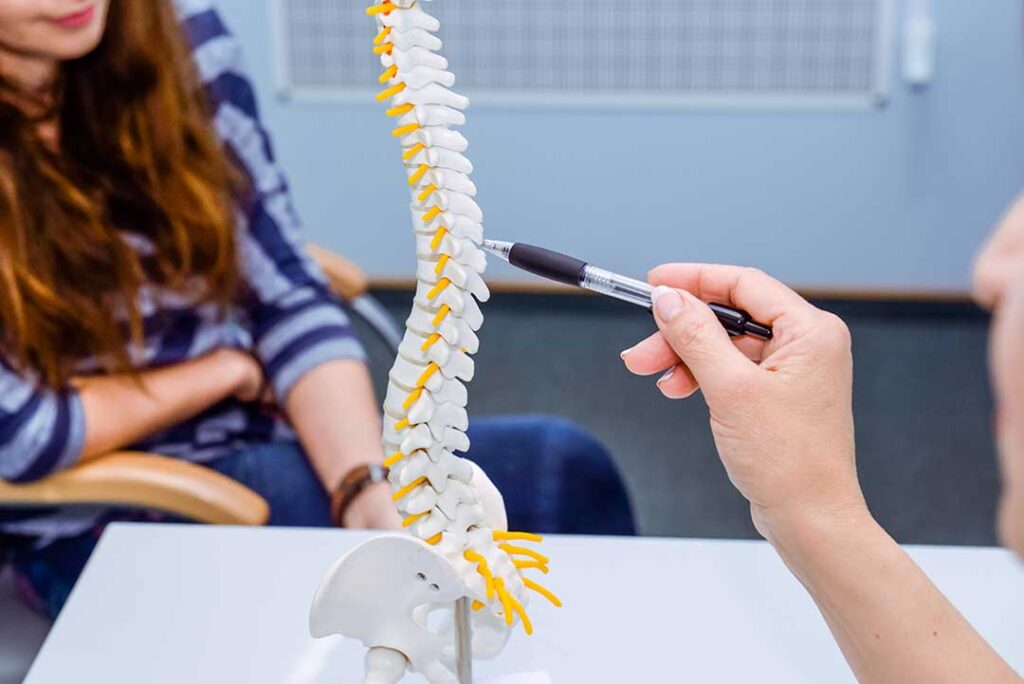
Most clicking sounds in the neck come from harmless processes within the joints, tendons, or soft tissue. The human neck has several joints—called facet joints—where the bones of the spine meet. These joints contain a lubricant called synovial fluid. During movement, changes in joint pressure can cause gases like nitrogen and carbon dioxide in the fluid to form bubbles. When these bubbles collapse or move, they create a clicking or popping sound—very similar to what happens when knuckles are cracked.
Tendons, which are tough bands connecting muscles to bones, can also make snapping sounds as they slide over bony prominences during normal movement. As people in Putnam Valley age or become more active with outdoor work and recreation, natural wear and tear can increase how often these noises are noticed.
Are Neck Clicks Ever a Sign of a Problem?
Although common, clicking isn’t always completely benign. Clicking that is new and accompanied by pain, reduced range of motion, numbness, tingling, or weakness may signal an underlying concern. Persistent or severe symptoms should not be ignored, especially if they interfere with daily activities like turning the head while driving local roads, or looking up when gardening and hiking around the region.
Situations that warrant extra caution include:
- Recent injury from a slip, fall, or car accident on the area’s winding roads
- Consistent pain or swelling along with clicking
- Clicking that began after a specific incident or trauma
Most neck clicks without pain are not problematic, but noticeable changes in symptoms should be monitored.
Could Everyday Activities in Putnam Valley Contribute?
Local routines and environmental factors sometimes influence neck health. Residents of Putnam Valley experience seasonal shifts that affect daily life. Yard work, shoveling snow, or helping neighbors move heavy items may cause people to overextend or strain their neck muscles. Prolonged use of computers or handheld devices—common during colder months when more time is spent indoors—can also lead to joint stiffness and muscle tension.
These activities can cause minor misalignments or increased friction in the neck structures, making clicking more noticeable. Simple stretches and taking regular breaks can help reduce these effects.
What Misconceptions Do People Have About Neck Clicking?
Many assume that clicking means the neck is “wearing out” or deteriorating, but this is rarely true in otherwise healthy individuals. Another common belief is that cracking or clicking the neck, deliberately or not, leads to arthritis. However, studies have found no strong link between joint noises and joint disease. People sometimes worry that the sound is always a warning sign for a serious problem. In most cases, if clicking is not painful or followed by neurological symptoms, it is normal.
Can Weather or Humidity in Putnam Valley Influence Neck Sensations?
Though it may not directly cause clicking, shifts in weather—especially the humidity and cooler temperatures common in the region’s autumn and winter—can cause joint stiffness or mild swelling. Residents sometimes report more noticeable neck sounds on cold mornings, or after returning from outdoor work.
The thicker clothing worn in winter can also restrict movement, leading to temporary stiffness and more awareness of normal neck sounds as people stretch or reposition.
When Does Neck Clicking Need Medical Attention?
For most local households, neck clicking without discomfort is simply a normal part of how the body moves. Attention should be paid if symptoms include:
- Persistent or severe pain alongside the clicking
- Radiating pain, numbness, or tingling down an arm or into the hands
- Recent trauma or an accident involving potential neck or head injury
- Noticeable swelling or deformity in the neck area
- Weakness in arms or legs that appears suddenly
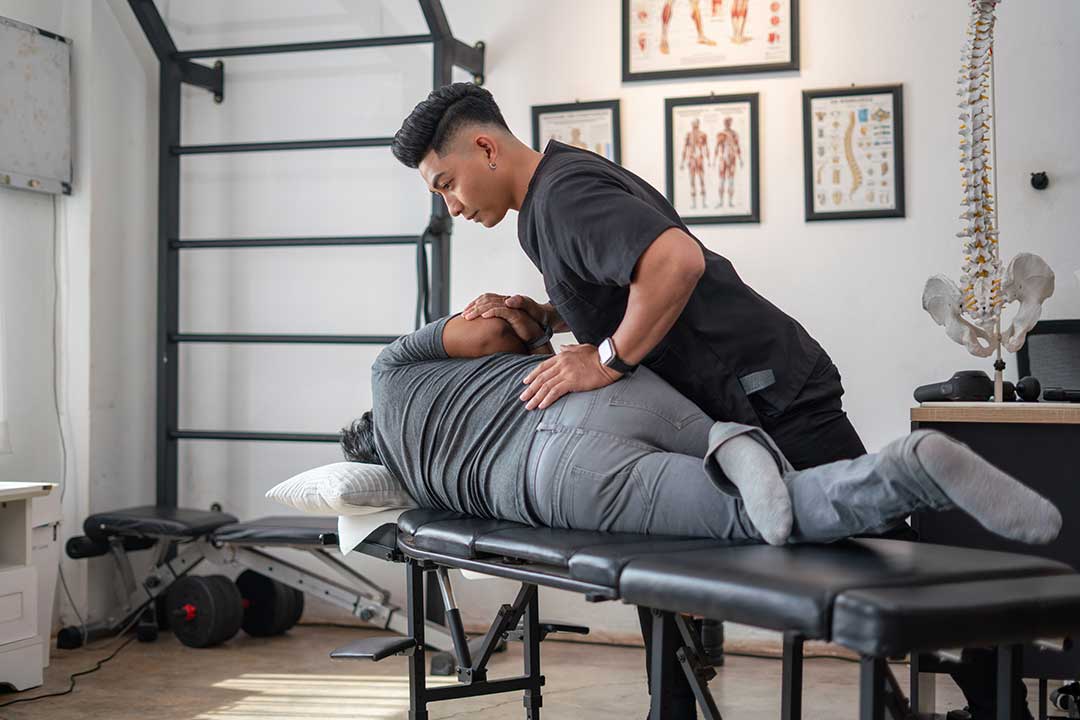
These signs indicate a need for timely medical guidance, as they may point to issues with nerves, blood vessels, or significant joint injury.
Are There Ways to Reduce Neck Clicking or Prevent Discomfort?
Simple lifestyle adjustments may help local residents minimize discomfort or frequency of neck sounds:
- Maintain good posture while reading, using electronics, or working at a desk
- Regularly stretch neck muscles, especially after localized chores or activities that strain the upper body
- Use a supportive pillow to keep the neck in a neutral position during sleep
- Avoid holding phones between the ear and shoulder, which can increase joint pressure
If stiffness or mild discomfort is common, gentle movement and heat packs can be helpful during cold damp seasons, which the region frequently experiences.
What’s Normal for Neck Movement in the Community?
It’s reassuring for the community to know that joints throughout the body make a variety of noises as people move, stretch, or age. Just as knees may click after a long hike in the local parks or gardens, the neck can make sounds during ordinary activity. Not everyone will experience clicking, and the volume or frequency of these sounds is different for each person.
As long as neck clicking isn’t combined with pain, loss of motion, or other unusual symptoms, it is usually a harmless part of living an active life in Putnam Valley.
