
 See Our Latest Article on HelloNation

Referred pain can make a problem feel as though it is coming from one part of the body when the underlying source is somewhere else. For residents of Putnam Valley, NY, this may create confusion after activities such as yard work, lifting, commuting, hiking, or spending long periods seated at home.
Understanding the difference between referred pain, nerve-related pain, and pain from an internal organ can help people choose safer next steps.
What is referred pain?
Referred pain is pain felt in an area that is different from the tissue or structure causing the problem. A joint, muscle, spinal disc, or deeper body structure may send pain signals that the nervous system interprets as coming from another location. ([pmc.ncbi.nlm.nih.gov](https://pmc.ncbi.nlm.nih.gov/articles/PMC10338069/?utm_source=openai))
For example, irritation in the neck may be experienced as discomfort around the shoulder blade or upper arm. A problem involving the lower back may produce aching in the buttock or upper thigh without directly injuring those areas.
The painful area is still real. The challenge is that its location does not always identify the original source.
Referred pain is different from radicular pain, which occurs when a spinal nerve root is irritated or compressed. Radicular pain often follows a more recognizable path into an arm or leg and may include burning, electric sensations, numbness, tingling, or weakness. The two types can overlap, so symptoms should not be self-diagnosed solely by location.
Why does pain travel to another area?
Several nerves may carry information from different tissues into shared regions of the spinal cord and brain. Because those signals can converge, the brain may have difficulty identifying the exact structure involved. This is one leading explanation for referred pain, although the mechanisms are not completely understood. ([ncbi.nlm.nih.gov](https://www.ncbi.nlm.nih.gov/books/NBK539789/?report=classic&utm_source=openai))
Muscles and joints are common sources of referred pain. Tight or overloaded muscles may develop sensitive bands that produce aching in nearby or distant areas. Spinal joints and discs can also refer discomfort into the buttocks, shoulders, hips, or limbs.
Internal organs can cause referred pain as well. For example, discomfort associated with the heart may be noticed in the chest, shoulder, arm, back, neck, or jaw. Sudden or unexplained chest discomfort should never be assumed to be a muscle or spine problem. ([mayoclinic.org](https://www.mayoclinic.org/first-aid/first-aid-chest-pain/basics/art-20056705?utm_source=openai))
What symptoms may suggest referred musculoskeletal pain?
Referred pain from muscles or joints is often described as deep, dull, aching, or difficult to pinpoint. It may become more noticeable with certain movements, prolonged positions, lifting, or repeated activity.
Common patterns include:
- Neck-related discomfort felt around the shoulder or upper back
- Low-back pain extending into the buttock or upper thigh
- Hip or pelvic discomfort that is partly generated by the lower back
- Shoulder-area pain influenced by the neck or upper back
- Muscle tenderness that reproduces a familiar ache in another location
These patterns are clues, not proof. Pain that spreads below the knee, causes tingling or numbness, or is accompanied by weakness may indicate nerve involvement rather than uncomplicated referred pain.
Pain that occurs with fever, unexplained weight loss, nighttime worsening, a recent serious injury, or a history of cancer also deserves medical assessment.
How is referred pain evaluated?
A careful evaluation begins with the history. The timing, location, quality, triggers, and progression of symptoms often provide more useful information than a single pain score.
A clinician may ask:
- Did the pain begin after lifting, falling, exercise, or repetitive work?
- Does movement change the symptoms?
- Is there numbness, tingling, weakness, or loss of coordination?
- Are bowel or bladder habits affected?
- Is the pain linked to breathing, meals, exertion, or fever?
- Has a similar problem occurred before?
The physical examination may include movement testing, muscle and joint assessment, reflexes, sensation, strength, and coordination. Imaging is not automatically needed for every episode of back, neck, or shoulder pain. It may be considered when symptoms persist, the examination suggests a more serious condition, or there has been significant trauma.
What role can chiropractic care play?
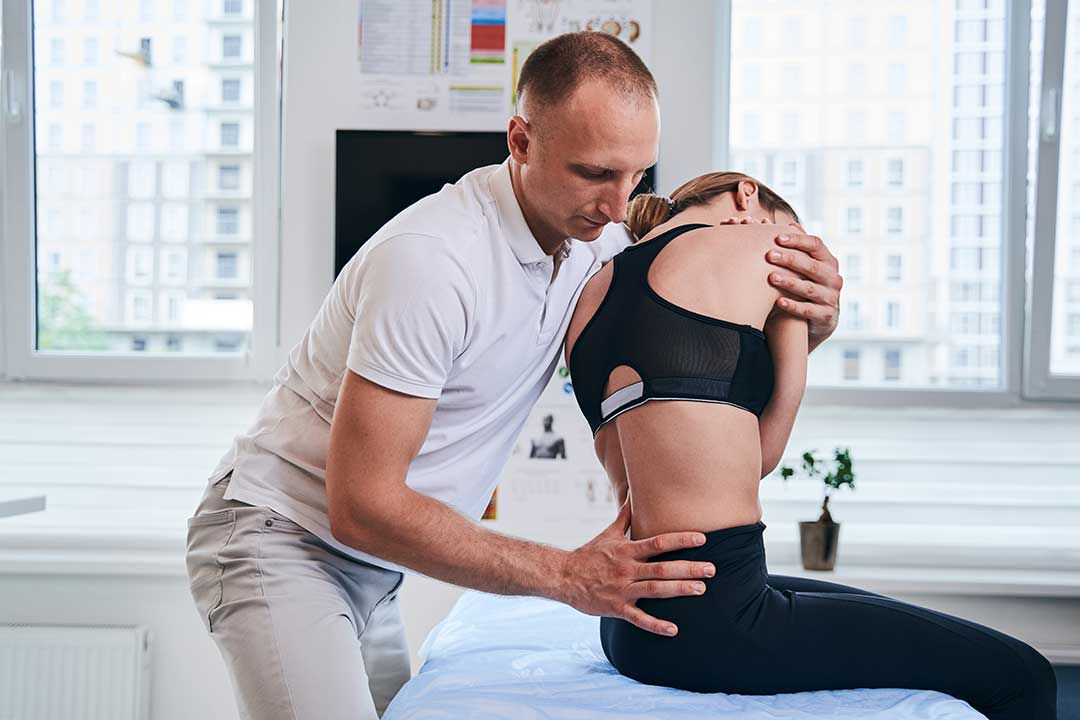
Chiropractic care may be considered for some musculoskeletal causes of referred pain, particularly when symptoms appear related to restricted joint motion, mechanical strain, or irritated muscles. Care may include education, exercise guidance, manual therapy, spinal mobilization, or spinal manipulation, depending on the evaluation and the individual’s health history.
Research summarized by the National Center for Complementary and Integrative Health indicates that spinal manipulation can provide modest improvement for some people with low-back pain, although results vary and it is not appropriate for every condition. Temporary soreness, stiffness, or tiredness can occur after treatment. ([nccih.nih.gov](https://www.nccih.nih.gov/health/spinal-manipulation-what-you-need-to-know?6df6a1c6_page=3&utm_source=openai))
A reasonable approach is not to treat the painful location in isolation. For example, pain near the shoulder blade may require assessment of the neck, upper back, shoulder movement, posture, work habits, and recent activity. Treatment should be based on the suspected source and should be adjusted if symptoms change.
Chiropractic care should not be used to delay evaluation of symptoms that may arise from the heart, lungs, abdomen, infection, fracture, or progressive nerve compression.
When should symptoms be assessed urgently?
Seek urgent medical care for back, neck, shoulder, or chest-area pain associated with:
- Chest pressure, shortness of breath, sweating, nausea, faintness, or pain spreading to the arm or jaw
- New or worsening weakness in an arm or leg
- Loss of bladder or bowel control
- Numbness around the groin or inner thighs
- Fever, severe illness, or unexplained weight loss
- Major trauma, especially in an older adult or someone with fragile bones
- Sudden severe pain unlike previous episodes
A symptom that feels familiar is not automatically harmless. New features, rapid progression, or pain unrelated to movement should be evaluated promptly.
What can residents do while monitoring symptoms?
For mild symptoms that clearly follow ordinary strain and are improving, staying gently active is usually more useful than prolonged bed rest. Short walks, position changes, comfortable movement, and avoiding repeated aggravating tasks may help.
Seasonal routines can also influence symptoms in the community. Snow clearing, wet leaves, uneven outdoor surfaces, gardening, firewood handling, and extended driving may place extra demands on the back, hips, shoulders, and neck. Gradually increasing activity and using safe lifting mechanics can reduce unnecessary strain.
Keep track of what changes the pain, whether symptoms travel, and whether numbness or weakness develops. That information can help distinguish a temporary mechanical problem from a condition requiring a different type of evaluation.
Referred pain is best understood as a communication problem within the nervous system: the location of discomfort may not be the location of the cause. A careful history and examination can help clarify whether chiropractic care is reasonable, whether another form of treatment is more suitable, or whether urgent medical assessment is needed.
