
 See Our Latest Article on HelloNation
What Is Scoliosis and How Does It Affect Daily Life?
Scoliosis is a condition that causes the spine to curve sideways, often shaped like an "S" or "C." For many people in Putnam Valley, scoliosis is first noticed in childhood or adolescence, but adults can develop it due to age or other conditions. The degree of curvature can vary widely, and so can its impact on daily routines, school activities, and physical comfort. Most mild curves cause little disruption, while larger curves can lead to fatigue, reduced flexibility, or noticeable changes in posture.
In a community like Putnam Valley, with a mix of active outdoor lifestyles and indoor work, scoliosis can influence comfort during hiking, gardening, or even sitting at a desk. Recognizing early signs and understanding practical management options are crucial for local residents, especially families with school-aged children.
Can Chiropractic Techniques Offer Scoliosis Relief?
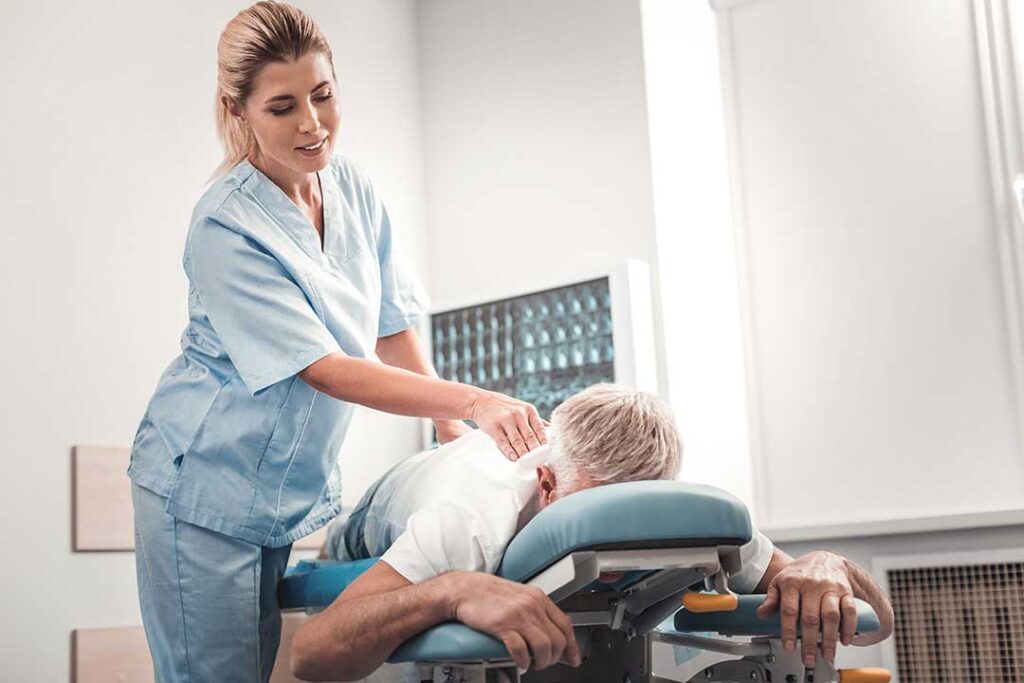
Chiropractic care is not a cure for scoliosis, but it may help some people manage discomfort, maintain mobility, and improve function. Chiropractors use manual adjustments and other interventions aimed at the back and joints. For those with scoliosis, these approaches focus on:
- Alleviating muscular tension around the curved areas
- Enhancing spinal movement
- Reducing pain from muscle compensation or joint strain
Most research shows that chiropractic care can improve quality of life for some with mild and moderate scoliosis, often when combined with other treatments such as supervised exercise or physical therapy. However, chiropractic adjustments do not reverse the spinal curve. Residents should have realistic expectations—chiropractic is one part of a comprehensive management plan, not a stand-alone solution.
What Should Local Families Consider Before Trying Chiropractic for Scoliosis?
Before beginning any new scoliosis management approach, local families should ensure scoliosis is properly diagnosed, usually by a primary care physician or specialist with the help of spinal X-rays. For adolescents in local schools, screenings sometimes occur through public health programs.
Key things to consider:
- Mild scoliosis may not need interventions unless discomfort or changes worsen
- Moderate or severe curves often require specialist input; in some cases, bracing or surgery is needed, especially in growing children
- Chiropractic care should focus on reducing symptoms and supporting mobility, never promising reversal of the curve
In rural or suburban communities like Putnam Valley, travel distance and availability of consistent follow-up should be factored in. Some people seek chiropractic care for seasonal issues, such as increased aches during colder months or after shoveling snow, activities common in the region’s climate.
Are Chiropractic Adjustments Safe for People With Scoliosis?
In most cases, chiropractic care is considered safe for individuals with scoliosis when delivered by a licensed professional, especially for mild to moderate cases. Adjustments are usually gentle and tailored to avoid stressing the spine unnaturally. However, those with serious spinal instability, severe curves, or complicating neurological symptoms require extra caution and a doctor’s clearance.
People in the area may hear myths, such as the idea that all chiropractors adjust scoliosis the same way or that every method is safe. In reality, reputable chiropractors will adapt techniques, avoid high-force adjustments on unstable joints, and work closely with medical doctors if there are concerns about progression.
What Should You Expect During Visits?
A first chiropractic visit for scoliosis usually starts with a detailed health history, physical assessment, and review of any imaging. Sessions may include:
- Gentle manual adjustments, if appropriate for the case
- Muscle stretching, massage, or soft tissue therapy to ease tension
- Education on posture, daily movement, and safe exercise strategies
Some residents may notice an improvement in tension or pain after a session, while others may need several visits to determine if there are lasting benefits. Routine monitoring (by a primary care doctor) should continue for anyone with a significant curve, especially in children or teens whose spines are still growing.
Are There Alternatives or Complementary Options?
For many living in Putnam Valley, a combination of approaches works best. Besides chiropractic, management of scoliosis can include:
- Physical therapy focused on specific exercises for spinal stability
- Swimming, yoga, or low-impact activity to maintain flexibility and strength
- Supportive devices, such as braces, prescribed by medical specialists for growing kids
- Home adaptations to minimize discomfort, such as ergonomic chairs or supportive bedding
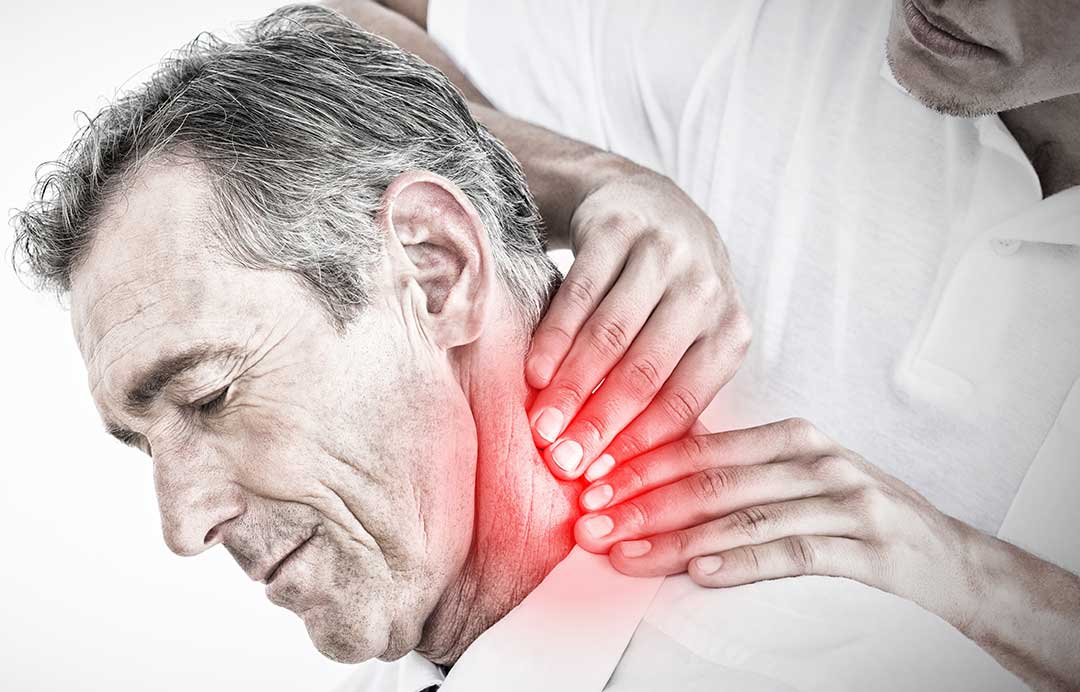
Seasonal activities—like raking leaves or caring for local gardens—may require extra awareness of posture and technique to avoid aggravating symptoms.
Common Misconceptions About Scoliosis and Chiropractic
Some local residents may encounter these misconceptions:
- “Chiropractic adjustments can straighten a curved spine.”
While adjustments may relieve discomfort, they do not correct the structural curve.
- “Scoliosis is always painful.”
Many people, especially teens, have mild scoliosis with little to no pain.
- “Only children get scoliosis.”
Adults can develop new curves due to aging, arthritis, or injuries.
- “Once you start chiropractic, you can’t stop.”
Ongoing care is optional; people can choose as needed based on how they feel.
How Can Families Monitor and Support a Member With Scoliosis?
For those with a household member living with scoliosis, especially children or teens, regular monitoring and practical home strategies can help:
- Keep track of posture changes or new symptoms
- Encourage physical activity within comfort limits
- Adjust backpacks, chairs, and bedding for ergonomic support
- Stay informed about options for school activities and sports, working with coaches or educators as needed
If significant changes or new symptoms (like numbness, rapid worsening of curve, or loss of mobility) develop, families should seek prompt medical input.
