
 See Our Latest Article on HelloNation
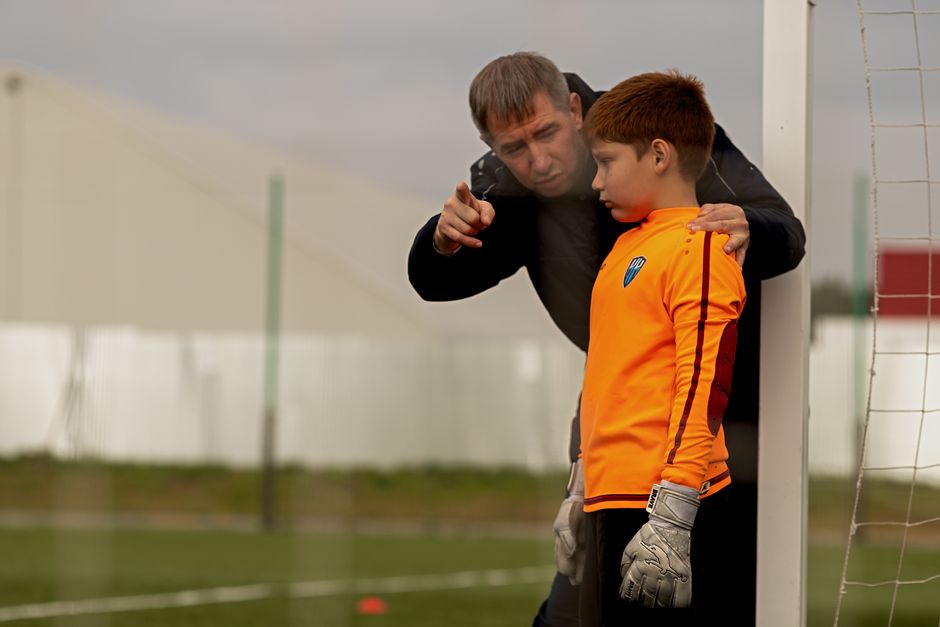
Sports can support strength, coordination, confidence, and community connection, but no activity is completely free of concussion risk. A concussion is a type of traumatic brain injury caused by a bump, blow, or jolt to the head or body that makes the brain move rapidly inside the skull. Prevention depends less on eliminating every impact and more on reducing dangerous situations, recognizing symptoms early, and stopping play when something seems wrong.
How can athletes lower the risk of a concussion?
The most effective prevention strategy is a combination of sound technique, appropriate equipment, safe playing conditions, and a culture that rewards reporting symptoms rather than hiding them.
Athletes, parents, and coaches can reduce risk by:
- Learning and following the rules of the sport, especially rules against illegal contact
- Practicing safe tackling, checking, heading, falling, and landing techniques when those skills apply
- Avoiding unnecessary hits during practice
- Using properly fitted protective equipment
- Checking fields, courts, rinks, trails, and playground surfaces for hazards
- Taking weather and surface conditions seriously
- Speaking up about dizziness, headache, confusion, or feeling “off”
- Keeping athletes out of play after a suspected concussion
In Putnam Valley, seasonal conditions can affect outdoor sports safety. Wet grass, frozen ground, uneven surfaces, poor visibility, and sudden changes in temperature may increase the chance of falls or awkward collisions. Coaches and families should consider whether the playing area is appropriate before practice or competition begins.
Do helmets prevent concussions?
Helmets reduce the risk of serious skull and brain injuries, but no helmet can prevent every concussion. A helmet is designed for a particular activity, so a bicycle helmet, hockey helmet, football helmet, equestrian helmet, and ski helmet are not interchangeable.
A helmet should:
- Be designed for the specific sport or activity
- Meet recognized safety standards
- Fit snugly without obstructing vision
- Sit level on the head rather than tilted backward
- Have fasteners adjusted correctly
- Be replaced after a significant impact or when damaged
- Be checked regularly for wear, cracks, loose parts, or an outdated fit
More expensive equipment is not automatically safer. Proper fit, correct use, and replacement at the appropriate time matter more than appearance or price.
Protective gear should not create false confidence. Athletes still need to avoid dangerous contact and follow the rules. Mouthguards may protect teeth and soft tissues, but they should not be treated as concussion-proof equipment.
What should coaches and parents teach young athletes?
Children and teenagers may minimize symptoms because they want to remain in the game, avoid disappointing teammates, or fear losing playing time. Adults should make reporting an expected part of sports participation.
Before the season, families can discuss:
- What a concussion may feel like
- Why an athlete must leave play after a suspected injury
- Who should be told if symptoms appear
- Why returning the same day can be dangerous
- How symptoms may develop later
- What information should be shared with a healthcare professional
Coaches should use clear instructions and consistent enforcement. A player who appears dazed, confused, unusually slow, unsteady, or unable to remember what happened should not be asked to “walk it off.” A brief loss of consciousness is not required for a concussion to occur.
A strong team culture treats safety reporting as responsible behavior, not weakness.
What are the early signs of a possible concussion?
Symptoms may begin immediately or develop hours later. They can affect physical function, thinking, emotions, and sleep.
Common symptoms include:
- Headache or pressure in the head
- Dizziness or balance problems
- Nausea or vomiting
- Blurred or double vision
- Sensitivity to light or noise
- Feeling foggy, slowed, groggy, or confused
- Difficulty concentrating or remembering
- Unusual irritability, sadness, anxiety, or emotional behavior
- Sleeping more or less than usual
- Moving clumsily or answering questions slowly
Young children may not describe symptoms clearly. Parents may instead notice unusual crying, changes in eating or sleeping, loss of interest in normal play, increased irritability, or behavior that seems different from usual.
If a concussion is possible, the athlete should be removed from play for the rest of the day and evaluated by a qualified healthcare professional. Do not attempt to determine the severity by having the athlete perform drills or “test” their memory on the sideline.
When is emergency care needed?
Some symptoms may indicate a more serious brain injury. Emergency help is needed for signs such as:
- A worsening headache that does not go away
- Repeated vomiting
- Seizures or convulsions
- Increasing confusion, agitation, or unusual behavior
- Difficulty waking or staying awake
- Slurred speech, weakness, numbness, or declining coordination
- Unequal pupils or double vision
- Loss of consciousness followed by increasing drowsiness or difficulty awakening
If emergency symptoms are present, call 911 or go to the nearest emergency department. An athlete should not be left alone or allowed to drive.
How can families prevent a second injury during recovery?
The safest approach is to keep the athlete away from sports and other activities that could cause another head impact until cleared to return. This may include biking, skating, climbing, contact play, physical education, or recreational activities with a fall risk.
Recovery should not be based only on whether the athlete says the headache is gone. Schoolwork, screen use, sleep, exercise, balance, and concentration may all reveal lingering problems. Families should share changes in symptoms with the healthcare professional overseeing recovery.
After the athlete has returned to regular daily activities and has medical approval, return to sports should be gradual. A typical progression moves from light aerobic activity to moderate activity, heavier non-contact exercise, controlled practice, and finally competition. Each stage generally takes at least 24 hours. If symptoms return, the athlete should stop and move back to the previous tolerated level after receiving appropriate guidance.
What role does chiropractic care have in concussion prevention?
Chiropractic education may support broader musculoskeletal safety by emphasizing posture, movement control, balance, flexibility, and safe training habits. Those areas can be relevant to reducing falls or improving physical readiness, but chiropractic adjustments do not make an athlete concussion-proof and should not replace concussion assessment.
A suspected concussion requires evaluation through an appropriate healthcare pathway. Any practitioner involved in an athlete’s care should know about the injury, current symptoms, previous concussions, medications, and any changes in school or sports performance. Neck pain, headache, dizziness, or balance problems after an impact should not automatically be assumed to be a simple muscle strain.
Preventing sports concussions is a shared responsibility. Safe technique, correctly fitted equipment, well-maintained playing areas, honest symptom reporting, and a gradual return to activity provide practical protection for athletes of all ages.
